Nutrition
How to Build a Simple Water-Tracking Habit
Use a familiar bottle or glass, record what you actually drink, and choose a routine that makes sense for your day.
By Long Road Fitness
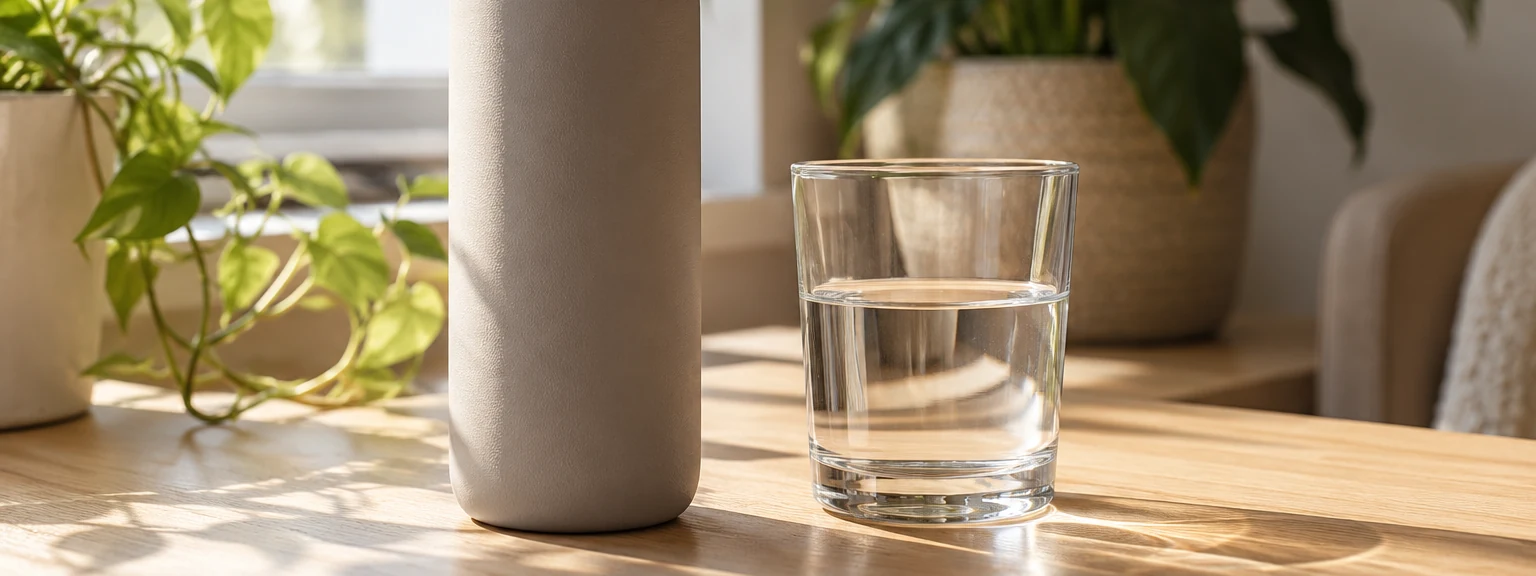
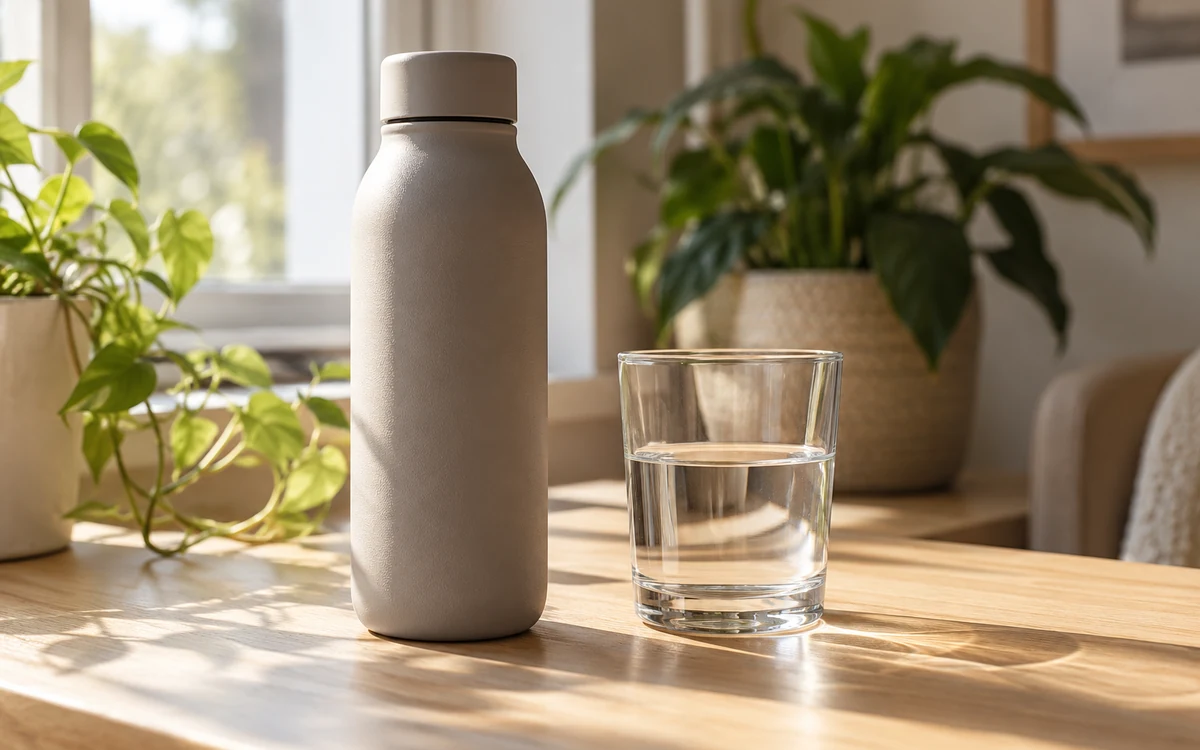
If you want to track water, begin with the glass or bottle you already use. Find its capacity, choose when you will record what you drink, and try the routine for a few days. A familiar container removes much of the guessing.
You do not need to buy a special bottle or adopt someone else's daily target. Start by making the record understandable and easy to maintain.
Separate the tracking habit from your fluid needs
A water log records an amount. It cannot, by itself, tell you whether that amount is right for your body.
Daily water needs vary with factors including activity, age, pregnancy, and breastfeeding. Hot conditions and greater physical activity can increase needs. Water also comes from other drinks and foods, so a plain-water total is only part of the picture. CDC: About Water and Healthier Drinks
If you have a prescribed fluid limit or a condition that affects fluid balance, follow your healthcare team's guidance before changing how much you drink. Some people with chronic kidney disease, for example, need to limit fluids. NIDDK: Healthy Eating for Adults with Chronic Kidney Disease
Step 1: Learn one container size
Check the capacity printed on your bottle. For an unmarked glass or mug, use a measuring jug once to find the amount at your usual fill level. The brimful capacity may be different from what you normally pour.
Examples of useful reference amounts:
- A 500 mL bottle: half is about 250 mL
- A 750 mL bottle: one-third is about 250 mL
- A glass you usually fill to 250 mL: two such glasses total 500 mL
These numbers are measuring examples, not drinking targets. Use your actual container and a unit you understand. If your bottle is marked in fluid ounces, keep your personal reference in fluid ounces rather than repeatedly estimating conversions.
Step 2: Record what you drink
Choose one rule you can repeat: log a glass when you finish it, or record the amount consumed from your bottle before refilling it.
Filling a bottle is not the same as drinking its contents. If you pour water away, share some, or leave part unfinished, adjust the entry accordingly. You do not need laboratory precision, but using the same approach helps the record make sense.
Here is a simple example:
- You start with 500 mL in your bottle
- Before lunch, about 200 mL remains, so you record approximately 300 mL consumed
- Later, you drink the remaining 200 mL and record that amount
- Refilling the bottle does not add another entry until you drink from it
The entries total 500 mL from that bottle. They are an example of avoiding double counting, not an example of a full day's needs.
Step 3: Choose a cue that already happens
Attach the logging step to something predictable: clearing your breakfast glass, finishing lunch, or refilling your bottle. Pick one cue first and see whether it fits.
Keep the container where it is useful and allowed, such as your work area or gym bag. The CDC suggests carrying a reusable bottle and serving water with meals as practical ways to make water available. CDC: About Water and Healthier Drinks
If you use reminders, choose a time when you can actually respond. A prompt during a commute or an uninterrupted work task may simply become something you dismiss. You can also skip reminders and use the physical action of refilling as your cue.
Step 4: Handle missed entries simply
When you forget, add a reasonable estimate if you remember the amount. If you do not, leave the gap and continue. Do not invent a precise total to make the record look complete.
Likewise, avoid treating an incomplete log as an instruction to drink a large amount at bedtime. Check whether the missing number reflects forgotten logging, unfinished water, or a change in your day. A tracker should not override medical advice or become a contest to reach the highest total.
Step 5: Review the routine after a week
Look at the process before judging the numbers:
- Was your container easy to carry and refill?
- Did the chosen cue happen reliably?
- Were you counting the same water twice?
- Did travel, workouts, or working away from home change your routine?
- Was tracking useful enough to keep doing?
Then make one practical adjustment. Choose a smaller bottle if your current one is inconvenient, keep a glass where you eat lunch, or switch from logging every few sips to logging a finished container.
Long Road Fitness includes hydration tracking. If you choose to use it, start with one familiar container and record what you actually drink. Keep the routine manageable, and seek individual guidance when you are unsure about the amount that is appropriate for you.
Sources
- CDC: About Water and Healthier Drinks: Supports individual variation in water needs, contributions from food and other drinks, and practical bottle and mealtime suggestions.
- NIDDK: Healthy Eating for Adults with Chronic Kidney Disease: Supports the need for individualized fluid guidance and possible fluid limits for people with chronic kidney disease.