Nutrition
Food Logging for Beginners: A Simple First-Week Routine
Start with one familiar meal, build a useful record, and use your first week to spot practical changes that fit your life.
By Long Road Fitness
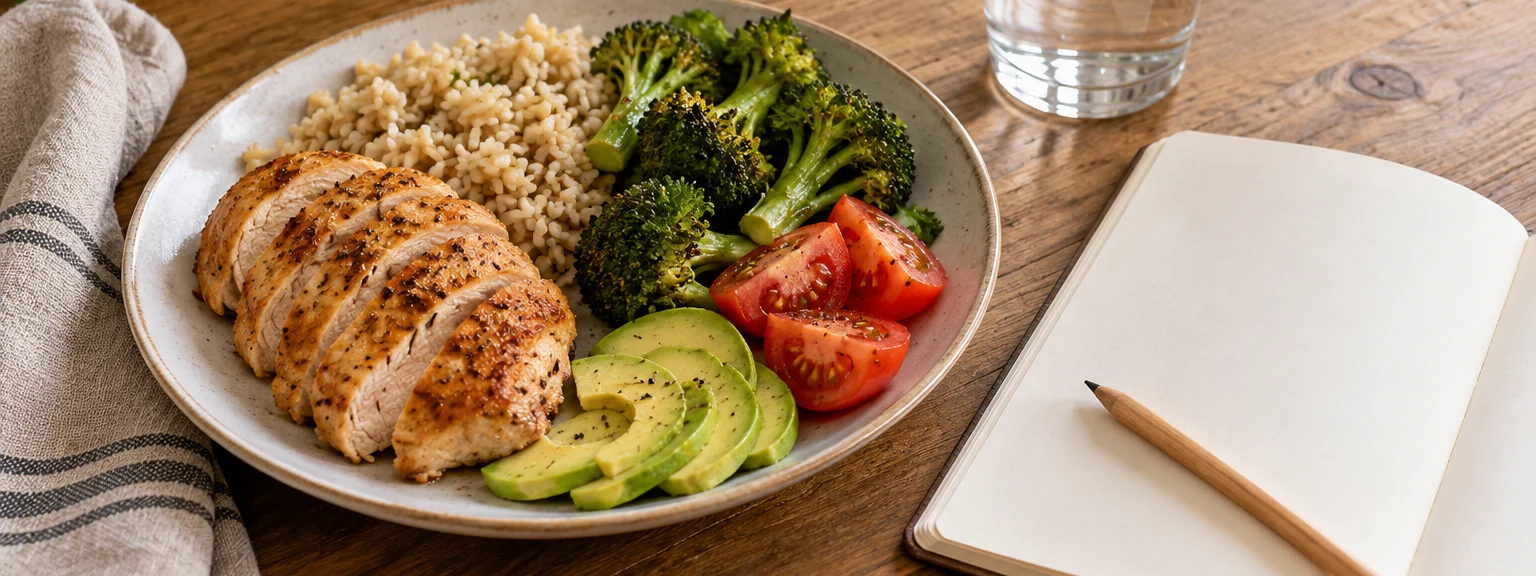
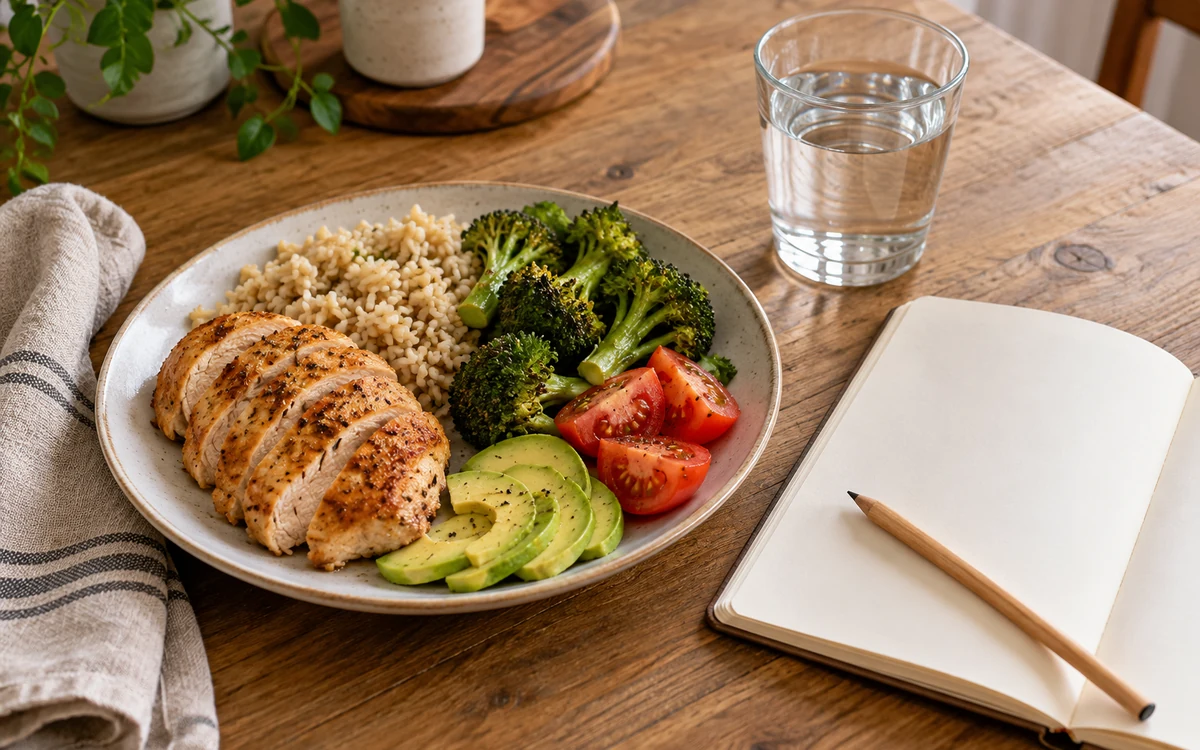
Start food logging with one question you actually want to answer. Maybe lunch keeps getting squeezed out by meetings. Maybe you want to remember which breakfasts are easy before an early workout. A clear question gives the habit a purpose and helps you decide how much detail to record.
A food record can help you notice eating patterns. The National Institute of Diabetes and Digestive and Kidney Diseases describes diaries as one way to review what and when you eat and drink. That does not require turning every meal into a calculation. NIDDK: Health Tips for Adults
This first-week routine is an optional starting point for adults. Adjust it to your schedule, and keep only the parts you find useful.
Decide what you want to record
Begin with the food or drink, a rough amount, and the meal or time. If context would help answer your question, add a short note in a notebook or wherever you keep personal notes. For example: “Lunch at 3 p.m. because the meeting ran over.”
Use descriptions you will understand later:
- Oatmeal made with milk, one bowl, banana added
- Turkey sandwich, two slices of bread, cheese and mustard
- Pasta with tomato sauce, about one bowl, side salad
- Coffee with milk, one mug
These are examples of entries, not recommended meals or portions. If you need detailed records for a medical reason, ask your clinician or registered dietitian what information to capture.
Days 1 and 2: Learn with one familiar meal
Choose a meal you usually eat at home. Breakfast often works, but any predictable meal is fine. Record it after eating, when the ingredients are still easy to remember.
On the second day, repeat the process. Notice what slowed you down. Was the portion unclear? Did you forget until bedtime? Solve one practical problem: check the bowl size once, keep a quick note, or choose a better time to log.
If you use a packaged food's nutrition information, check the listed serving size and the amount you actually ate. A package may contain several servings. The FDA explains that the serving size describes an amount people typically consume; it is not advice about how much you personally should eat. FDA: Serving Size on the Nutrition Facts Label
Days 3 and 4: Try a more complete day
Add other meals, snacks, and drinks if that feels manageable. Keep the same level of detail instead of making every new entry more elaborate.
Here is an illustrative Wednesday record:
- 7:30 a.m.: Two slices of toast with peanut butter; one banana; coffee with milk
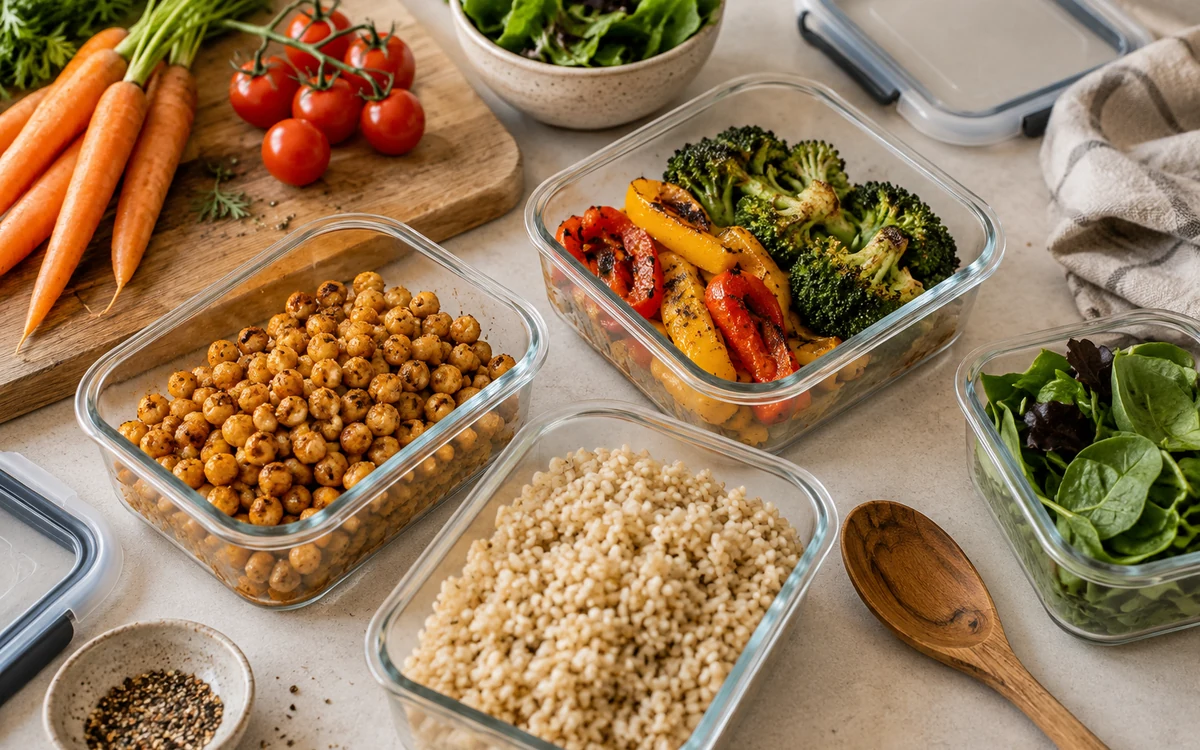
- 12:45 p.m.: Leftover rice, beans, and roasted vegetables; about one bowl
- 4 p.m.: Yogurt and crackers, eaten between meetings
- 7:30 p.m.: Takeout noodles with vegetables and tofu; approximately half the container
- Context note: Lunch was easy because a portion was already packed
The useful observation might be that packed leftovers made lunch possible during a busy day. That gives you a specific experiment for next week: prepare lunch when putting dinner away.
The entries do not establish whether the day met your nutritional needs. They are a record to help you understand your routine.
Days 5 and 6: Make room for imperfect information
Restaurant meals, shared dishes, and busy afternoons are harder to record precisely. Use a reasonable description of what you remember. If the amount is approximate, treat it as approximate rather than spending the evening trying to reconstruct every ingredient.
If you miss a meal, add what you can recall or leave the gap and continue with the next one. A blank entry tells you something about the record, not about whether you ate well. There is no need to restrict food or add exercise to make up for missing data.
You can also scale back. Logging lunch for a week may answer your original question better than attempting a complete record you dislike maintaining.
Day 7: Review for one useful change
Set aside a few minutes and look for practical patterns:
- Which meals were easiest to organize?
- When did a change in schedule make eating difficult?
- What food did you enjoy and want to have available again?
- Was the record useful enough to continue?
Choose one small adjustment. Buy ingredients for a familiar breakfast, keep an easy lunch option at work, or set aside leftovers before clearing dinner. Avoid drawing sweeping conclusions from a single week.
Keep logging optional
If logging brings guilt, anxiety, compulsive checking, or pressure to restrict food, pause and speak with a qualified health professional. Persistent fixation on controlling food intake can be a warning sign worth discussing; NIMH provides information about eating disorders and treatment. NIMH: Eating Disorders
You can work on meal routines without keeping a food log. If you do find logging useful, Long Road Fitness includes food logging alongside its other fitness tools. Start with the detail you need to answer your question, review what you learn, and adjust the habit as your needs change.
Sources
- NIDDK: Health Tips for Adults: Supports using a food and beverage diary to review eating patterns. This article does not adopt the source's weight-loss targets.
- FDA: Serving Size on the Nutrition Facts Label: Supports the distinction between a labeled serving size and an individual's portion, including multiple servings per package.
- NIMH: Eating Disorders: Supports the warning about persistent fixation on controlling food intake and seeking professional support.