Nutrition
How to Make a Meal Plan You Can Adjust Midweek
Plan a few dependable meals, give leftovers a place, and keep enough room to change dinner when your week changes.
By Long Road Fitness
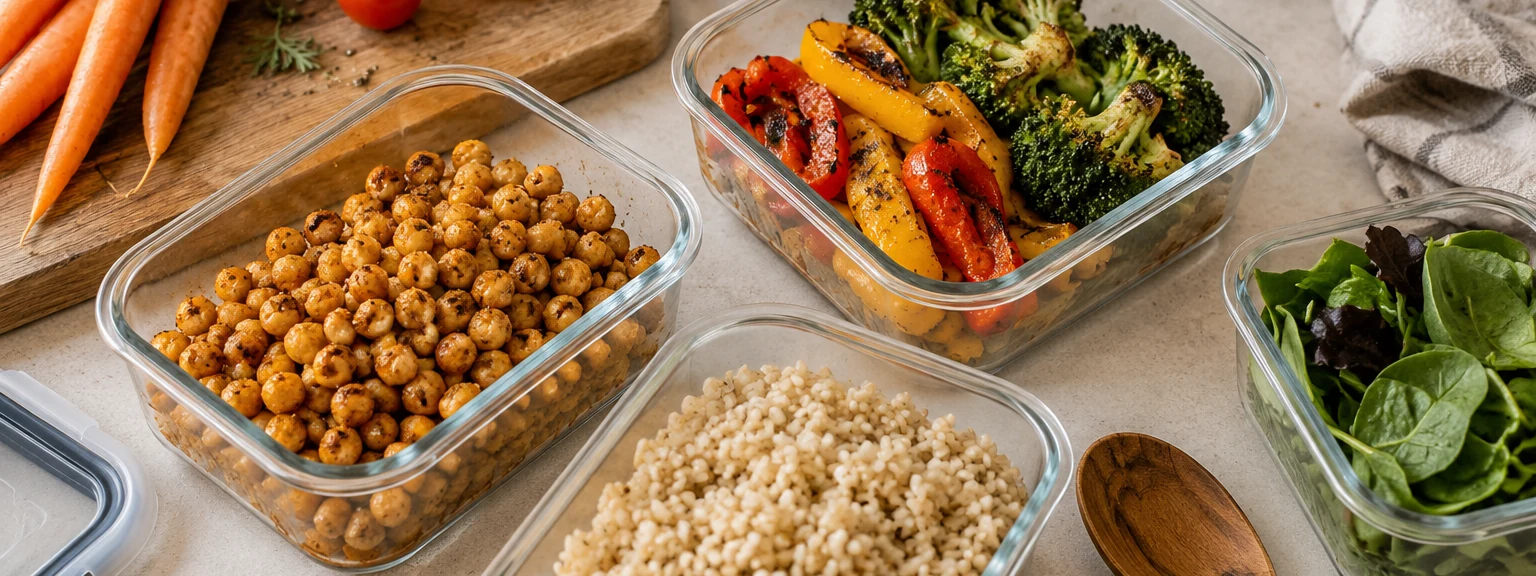
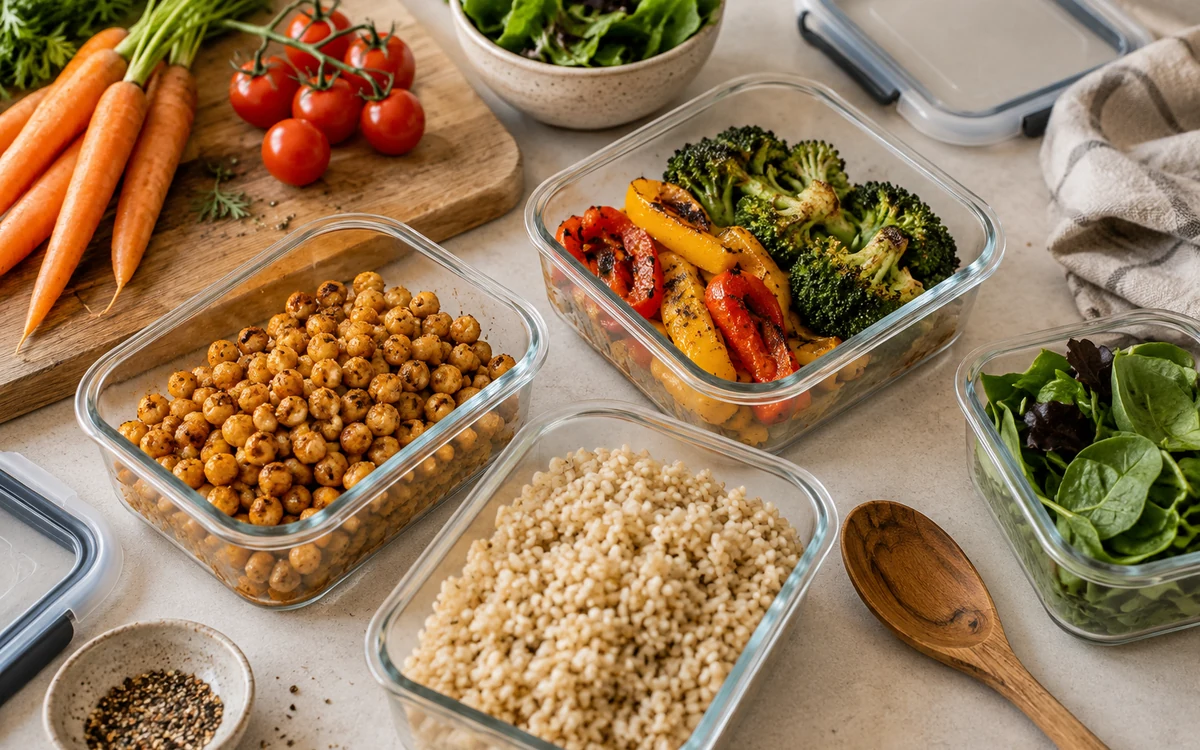
A useful meal plan leaves room for a late meeting, an invitation, or an evening when cooking feels like too much. Start with a few meals you know you can make, then decide which ingredients can work in more than one dinner.
The aim is to make the next meal easier to arrange. You do not need seven new recipes or a fully packed refrigerator to begin.
Start with the week you actually have
Look at your calendar before choosing meals. Mark the nights when you have time to cook, nights that need a quick option, and meals you expect to eat elsewhere.
Next, check your refrigerator, freezer, and cupboards. USDA's MyPlate guidance recommends planning around food you already have, writing down meals, considering preparation time, and making use of leftovers. USDA MyPlate: Make a Plan
For a first attempt, choose three dinners, one quick backup, and two familiar breakfast options. Write down how lunches will happen, too. A dinner plan can look organized while leaving you with nothing easy to take to work.
Choose ingredients that can change roles
Pick foods you enjoy and can use in several ways. Rice might accompany a tray-bake one evening and become a bowl with beans the next. Tortillas can hold freshly cooked vegetables or become the base for a quick bean-and-cheese meal.
Build a short shopping list around those uses:
- A few main ingredients, such as beans, chicken, eggs, or tofu
- Bases you already like, such as rice, potatoes, bread, or pasta
- Vegetables and fruit you will use during the week
- Sauces, seasonings, and other ingredients that make the meals appealing
- Breakfast, lunch, and snack supplies that fit your household
Amounts depend on how many people are eating, their appetites, and the meals already planned. This is an organizing method, not a prescribed diet or a promise that any particular menu meets everyone's nutritional needs.
A flexible seven-day example
Here is an illustrative dinner plan for someone cooking at home most evenings. Breakfast could alternate between oatmeal with fruit and eggs with toast. Lunches might use the specifically reserved leftovers below, plus sandwiches or soup on other days.
Monday: Roast chicken or tofu with potatoes and vegetables. Make enough for dinner and Tuesday's lunch. Pack that lunch portion promptly. If you cook an additional portion for a later week, freeze it promptly rather than leaving it in the refrigerator until you remember it.
Tuesday: Rice bowls with beans, vegetables, and a sauce you like. Cook enough rice for Tuesday dinner and Wednesday's lunch. Keep the sauce separate if that makes the packed meal easier to assemble.
Wednesday: Vegetable and bean wraps. Use vegetables that need using and open the beans for this meal. If you prefer a different filling, choose it when shopping so the plan still reflects what you want to eat.
Thursday: The quick backup. Try pasta with jarred sauce and frozen vegetables, or another familiar meal that mostly uses cupboard and freezer ingredients. Keep it simple enough for your busiest evening.
Friday: Dinner out or an easy meal at home. Leave this open if your plans often change. Avoid buying highly perishable ingredients specifically for an uncertain meal.
Saturday: Cook something you have time for. This could be tacos, a curry, or a favorite family recipe. If you make extra, decide immediately whether Sunday's lunch or the freezer gets it.
Sunday: Review and restock. Use suitable recent leftovers, or make a quick meal from what remains. Check dates and storage before deciding what to use. Then choose the next few dinners.
Reset the plan when Wednesday changes
Suppose Wednesday becomes a late work night and Friday's dinner out moves to Thursday. Move the quick pasta meal to Wednesday, keep Thursday open, and make the wraps on Friday with ingredients that have been stored appropriately.
Before moving a meal, check what is already cooked and what needs using soon. A calendar change does not extend a food's safe storage time. Freeze suitable food promptly when you know you will not use it within that window.
Ingredient substitutions can help, too:
- Use pasta or potatoes when you are out of rice
- Use frozen vegetables when the fresh option is unavailable
- Choose beans, eggs, tofu, or another preferred main ingredient to suit the dish
- Change the sauce or seasoning when you want a different flavor
These swaps change the meal's nutritional content and may change its allergens. Check ingredients and follow any dietary guidance specific to you.
Give leftovers a clear deadline
Refrigerate perishable leftovers within two hours, or one hour when temperatures exceed 90°F/32°C. Use shallow containers for quicker cooling and keep the refrigerator at 40°F/4°C or below. Most cooked leftovers should be used within three to four days or frozen for later. USDA FSIS: How Do I Handle Leftovers Safely?
Label containers with the cooking date. When reheating leftovers, use a food thermometer to check that they reach 165°F/74°C. Follow product instructions and food-specific guidance where applicable. USDA FSIS: Leftovers and Food Safety
Keep the parts that worked
At the end of the week, ask which meals you enjoyed, which ingredients went unused, and which evening needed an easier option. Use those answers to shorten next week's shopping list and repeat useful meals.
Long Road Fitness includes meal plans. As you plan your own week, leave room for your schedule, preferences, budget, and any professional dietary advice you follow. A plan earns its place by helping you arrange meals you can actually make and want to eat.
Sources
- USDA MyPlate: Make a Plan: Supports checking existing food, planning meals around available time, and including leftovers.
- USDA FSIS: How Do I Handle Leftovers Safely?: Supports refrigeration timing, shallow containers, refrigerator temperature, and three-to-four-day leftover storage.
- USDA FSIS: Leftovers and Food Safety: Supports reheating leftovers to 165°F and freezing for later use.